
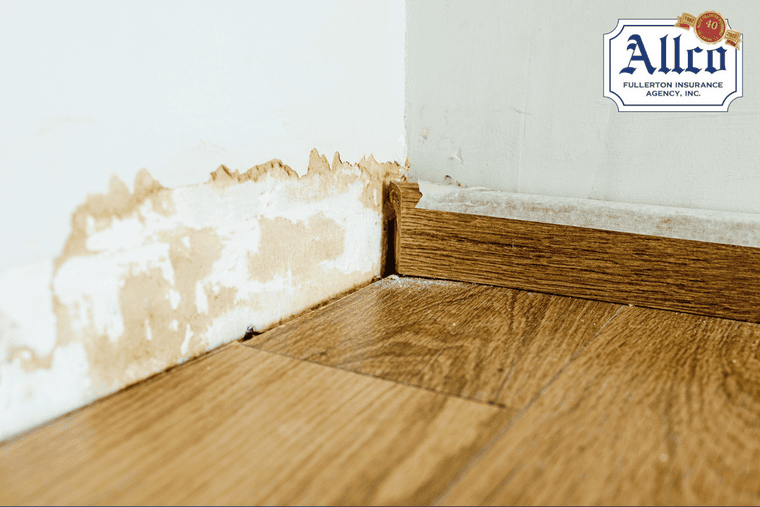
Understanding Mercury’s Limited “Hidden” Water or Steam Seepage or Leakage Coverage
A slow water leak can sometimes cause significant damage before a homeowner even realizes there is a problem. Mercury offers a Limited “Hidden” Water or Steam Seepage or Leakage Coverage endorsement that may provide protection for certain long-term leaks that occur in concealed areas of the home.
This coverage is subject to specific conditions, exclusions, and a limit shown on your policy declarations, so understanding how it works is important.
What Does Mercury Consider a “Hidden” Leak?
For purposes of this coverage, a hidden leak generally means water or steam seepage or leakage that originates in an area that is concealed from normal view, such as:
- Inside walls, floors, or ceilings
- Underneath flooring, as long as it is not below the ground surface
- Inside an enclosed attic space
- Behind or underneath a fixed cabinet, appliance, or vanity where access would require removing part of the fixture
The key factor is that the leak truly must be concealed.
A leak may not qualify as “hidden” if you knew, suspected, or reasonably should have known about it for more than 14 days before making a claim.
It may also be excluded if the leak itself—or signs of resulting damage—were visible or reasonably noticeable for 14 days or longer.
Signs can include staining, discoloration, warping, deterioration, rot, or visible fungal growth.
What Types of Leaks May Be Covered?
Subject to the terms of the endorsement, Mercury may provide limited coverage for damage caused by a constant or repeated hidden leak lasting 14 days or more when the water or steam comes from certain household systems, including:
- Plumbing systems
- Heating systems
- Air conditioning systems
- Automatic fire sprinkler systems
- Household appliances
Coverage may apply to damage to covered property at the residence premises, including certain deterioration or rot resulting from the covered leak.
The endorsement may also include reasonable and necessary mitigation expenses.
What About Opening Walls or Floors to Reach the Leak?
One important feature of this endorsement is that it may include the cost of tearing out and replacing portions of the building when necessary to access and repair the system or appliance from which the covered water or steam escaped.
For example, if a covered pipe is leaking behind a wall, the cost of opening and replacing part of that wall may potentially fall within the endorsement.
However, the endorsement generally does not pay to repair or replace the actual plumbing system, appliance, or other item that caused the leak.
What Is Not Covered?
There are several important exclusions and limitations.
Examples of losses that may not be covered under this endorsement include:
- Leaks originating below the ground, slab, or building foundation
- Damage to land
- Certain freezing-related losses when reasonable precautions were not taken
- Humidity, moisture, or condensation that is not directly caused by a covered leak
- Mold, fungi, or other microbes themselves, although damaged property with fungi present may sometimes still qualify for repair or replacement under the endorsement
- Sewer or drain backup involving water originating off the residence premises
- Septic system stoppages caused by a clogged or full septic system
- Earth movement
- Certain bathtub, shower, tile, grout, sealant, enclosure, or shower-pan related losses
- Certain pressurized galvanized or polybutylene plumbing systems
- Damage occurring or already in progress during the first 30 days after the endorsement is initially added
- Damage to the system or appliance that actually caused the leak
Sump pumps, roof drains, gutters, downspouts, drainage systems, and similar equipment are also generally not considered plumbing systems or household appliances for purposes of this endorsement.
The 14-Day Rule Is Important
One of the most important provisions to understand is the 14-day requirement.
This coverage is intended for certain leaks that remain genuinely hidden. If the leak itself or visible signs of damage were reasonably noticeable for 14 days or more before the claim was reported, coverage may not apply.
That means homeowners should take signs of possible water damage seriously.
Watch for things such as:
- Water stains
- Discoloration
- Warped flooring or drywall
- Unexplained moisture
- Musty odors
- Rot or deterioration
- Visible fungal growth
If you notice something unusual, investigating the cause promptly can help prevent additional damage and may also be important when determining whether coverage applies.
There Is a Specific Coverage Limit
This endorsement is subject to a separate limit shown on your policy declarations.
That limit can apply to the total cost associated with a covered hidden seepage or leakage loss, including certain expenses such as:
- Property damage
- Tear-out and replacement expenses
- Mitigation services
- Certain testing or monitoring
- Certain ordinance or law-related costs
- Certain Loss of Use expenses
Multiple years of coverage generally cannot be combined to increase the available limit for one continuous loss.
Damage from the same ongoing leak may also be treated as a single loss, even when the damage occurs over more than one policy period.
Why This Coverage Matters
Hidden leaks can be especially frustrating because considerable damage may occur before the source becomes obvious.
Without the appropriate endorsement, damage resulting from long-term or repeated water seepage may be restricted or excluded under a standard homeowners policy.
Mercury's Limited “Hidden” Water or Steam Seepage or Leakage Coverage may provide an additional layer of protection for qualifying losses, but it is important to understand the coverage limit and the circumstances under which the endorsement applies.
Have Questions About Your Mercury Homeowners Policy?
Insurance policy language can be complicated, especially when it comes to water damage.
We at Allco Insurance can review your Mercury homeowners policy with you, explain whether this endorsement is included, identify your coverage limit, and help you better understand how your policy may respond to a hidden water leak.
If you have questions about your homeowners coverage or would like us to review your current policy, give your Allco Insurance agent a call.